08 Jan
Can Janitorial Cleaning Help Reduce The Spread Of Illness In The Workplace?
A healthy workplace does not happen by chance. It grows from steady habits, clear plans, and smart cleaning. When germs spread, teams slow down. Yet with the right steps, offices stay safer and calmer. Regular cleaning breaks the chain of infection before it reaches people.
However, targeted routines make the biggest impact. Therefore, leaders seek methods that are easy to maintain. Many find that consistent, professional care keeps sickness lower and morale higher. In cities with tight schedules, janitorial cleaning in Indianapolis IN, brings structure and speed. With a strong plan, the workplace can feel fresher, kinder, and ready for great work.
Why Clean Workplaces Limit Germs
Clean spaces do more than shine. They remove the places where germs live and grow. When dust, dirt, and moisture accumulate, microbes find a suitable environment for growth. Then the illness moves from hands to face in seconds. However, routine cleaning breaks that path. It removes soil first so that disinfectants can do their job. This two-step approach reduces risk across desks, kitchens, and restrooms. It also lowers cross-contamination between teams. Staff feel safer, and attendance improves. Because fresh air helps too, ventilation and open windows matter.
High-Touch Hotspots That Spread Bugs
Germs love surfaces that many hands share. Door handles, elevator buttons, and break-room counters top the list. Phones and keyboards collect oils and droplets. So, these need careful and frequent attention.
| Area / Item | Why It Matters | Helpful Care Tip |
| Door handles | Constant contact spreads germs fast | Disinfect several times daily |
| Elevator buttons | Many users in short bursts | Wipe after peak traffic |
| Keyboards/phones | Close to faces and hands | Clean with approved electronics wipes |
| Break-room counters | Food plus moisture invites germs | Clean, then disinfect after meals |
| Restroom taps | Wet surfaces extend germ life | Dry and disinfect on a set schedule |
Therefore, set a routine that prioritizes these points. Short, frequent passes beat rare deep cleans. Moreover, clear signage helps staff support the plan.
How Professional Janitors Break The Chain Of Infection
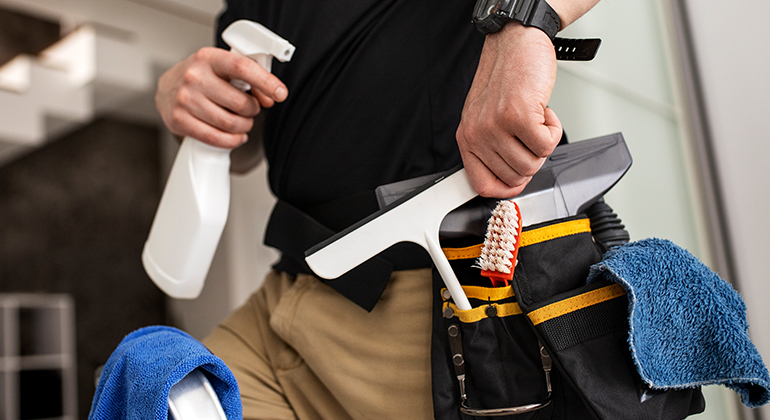
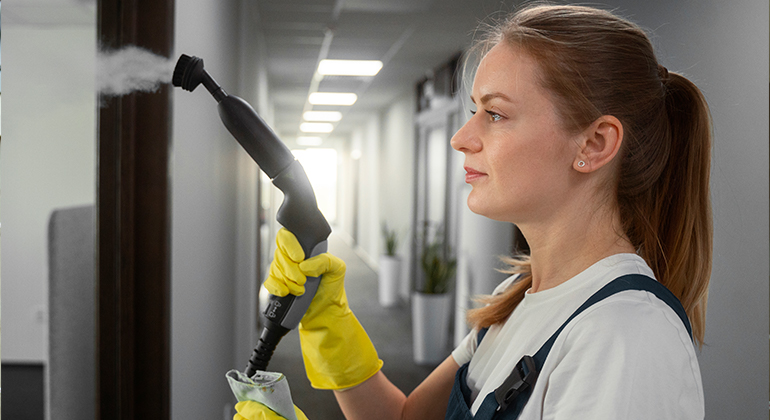
Professionals bring training, checklists, and quality control. They follow product labels, contact times, and safe dilution. Consequently, they hit the right spots at the right moments. That helps keep restrooms separate from desks and kitchens. Choose a janitorial cleaning in Indianapolis, IN to keep your place germ-free.
Consider these targeted moves:
- Clean first to remove soil, then disinfect correctly.
- Rotate disinfectants to reduce resistance concerns.
- Track high-touch logs to guide extra passes.
Additionally, trained crews handle sharps, biohazards, and spills. They document steps and outcomes. That record builds trust with health and safety leads. It also supports audits and policy updates. With steady routines, germs have fewer places to hide.
Cleaning, Sanitizing, And Disinfecting
Words matter in health work. Cleaning removes dirt and lowers germs. Sanitizing reduces germs to safer levels. Disinfecting kills listed germs on hard surfaces. Each step supports the next, so order is key. First, clean; then, sanitize or disinfect as needed. Product labels show contact times that must be met. Otherwise, results fall short.
As a helpful reminder:
“Clean first, then kill. Soil blocks the science.”
Additionally, dwell time deserves respect. Surfaces should stay wet for the full label time. That rule protects people, not just checklists. Furthermore, ventilation helps products dry without fumes building up. Therefore, schedule tasks when rooms are less busy. Clear plans keep the science simple and strong.
Daily Routines That Keep Teams Healthy
Begin with hand hygiene, shared surface disinfecting, fresh air breaks, staggered lunches, hydration prompts, wellness check-ins, and clear sick-leave policies.
Morning reset
Start with restrooms, kitchens, and entries. Empty bins, restock soap, and check sanitizer stations. Then address desks and meeting rooms before staff arrive.
Midday touch-ups
Focus on hotspots. Wipe handles, rails, and device stations. Refresh restrooms and break areas during lunch traffic. Thus, germs have fewer hours to spread.
Evening wrap
Finish with floors, restrooms, and shared tech. Log tasks and note any special concerns—also, prepare supplies for the next shift.
Consistent timing reduces risk across the day. So, a janitorial cleaning in Indianapolis, IN, coverage stays steady during peak use. As a result, teams sense care and reciprocate it in the spaces.
Healthy Habits Employees Can Follow
Staff actions matter as much as schedules. Simple habits help prevent the spread of illness and increase comfort. Leaders can share tips that anyone can use. Clear steps feel doable and kind.
Try these easy moves:
- Wash your hands for 20 seconds, especially after breaks.
- Keep tissues handy, and cover coughs and sneezes.
- Wipe shared gear before and after use.
- Stay home when sick to protect coworkers.
- Use lined bins for tissues and food waste.
These steps reduce risk across open offices and private rooms. Moreover, gentle reminders help new hires quickly integrate into the culture. When people protect each other, trust grows.
Cost And Productivity
Sick days cost more than a line item. They drain energy, delay projects, and stress teams. However, cleaner spaces lead to lower absenteeism and increased focus. The payoff shows up in fewer disruptions and steadier output. Many leaders track before-and-after trends to see the impact. Absence rates, sanitizer use, and supply spend tell a story. Then, policies adjust with real numbers. As one safety lead often says:
“Healthy rooms create healthy results.”
Therefore, tying cleaning to performance helps budgets stay protected. It shifts cleaning from expense to risk control. Moreover, clear data keeps conversations calm and practical. Over time, steady routines save both time and spirit.
Local Support And Community Health
City patterns shape cleaning needs. Transit hubs raise touch counts. Seasonal events change traffic flows. Therefore, schedules should flex with the calendar. Local teams understand block-by-block rhythms. They know when festivals end, and flu waves rise. As a result, timing and coverage improve. Neighborhood knowledge shortens response times and supports quick fixes. With janitorial cleaning in Indianapolis, IN, the workplace feels more protected. People notice tidy lobbies, stocked restrooms, and fresh air. That comfort invites better teamwork and steadier days.
Practical Extras That Boost Protection
Small upgrades add strong layers of defense. Hands-free fixtures lower contact points in busy areas. Microfiber tools trap more soil than many cotton cloths. Therefore, pair surface care with better airflow. Additionally, clear signs guide handwashing and bin use.
For quick review, here are three helpful extras:
- Touchless faucets and soap help reduce shared contact.
- Door-handle sleeves support faster surface refreshes.
- Portable HEPA units help improve ventilation in rooms with low airflow.
Furthermore, maintenance matters as much as purchase. Filters need regular changes. Dispensers need refills. Because upkeep protects the investment, assign owners and dates. With steady attention, these extras consistently deliver value throughout the year.
Ready To Keep Teams Healthier And Spaces Kinder?
Strong routines lower risk and lift morale. When daily habits meet trained care, germs have fewer chances to spread. If a trusted partner is helpful, Clean Indy LLC can create a schedule that suits both the building and its occupants. Share the goals, and the path forward can start today—because healthier rooms invite better work, one clean touch at a time.